Online Security Checklist 2026: Passkeys and 2FA
A simple online security checklist for 2026 covering passkeys, password managers, two-factor authentication, backups, VPNs, and phishing.

- 1Complete security checklist covering passkeys, 2FA, password managers, and VPNs
- 2Explains how to set up passkeys on major platforms like Google, Apple, and Microsoft
- 3Covers phishing prevention, secure browsing habits, and privacy tools
- 4Step-by-step guide to hardening your online accounts in 2026
Your online accounts are under constant attack. In 2026, data breaches exposed 4.1 billion records, and phishing attacks increased by 65%. The good news? Protecting yourself takes less than an hour with this online security checklist.
Why You Need This Checklist Now
- 81% of data breaches are caused by weak or reused passwords
- Phishing attacks are now AI-generated and nearly impossible to spot
- Passkeys are replacing passwords - but most people have not set them up
- One compromised account can lead to a chain of breaches through password reuse
- Identity theft costs victims an average of $1,200 and 200+ hours to resolve
Level 1: The Basics (Do This Today)
1. Set Up a Password Manager
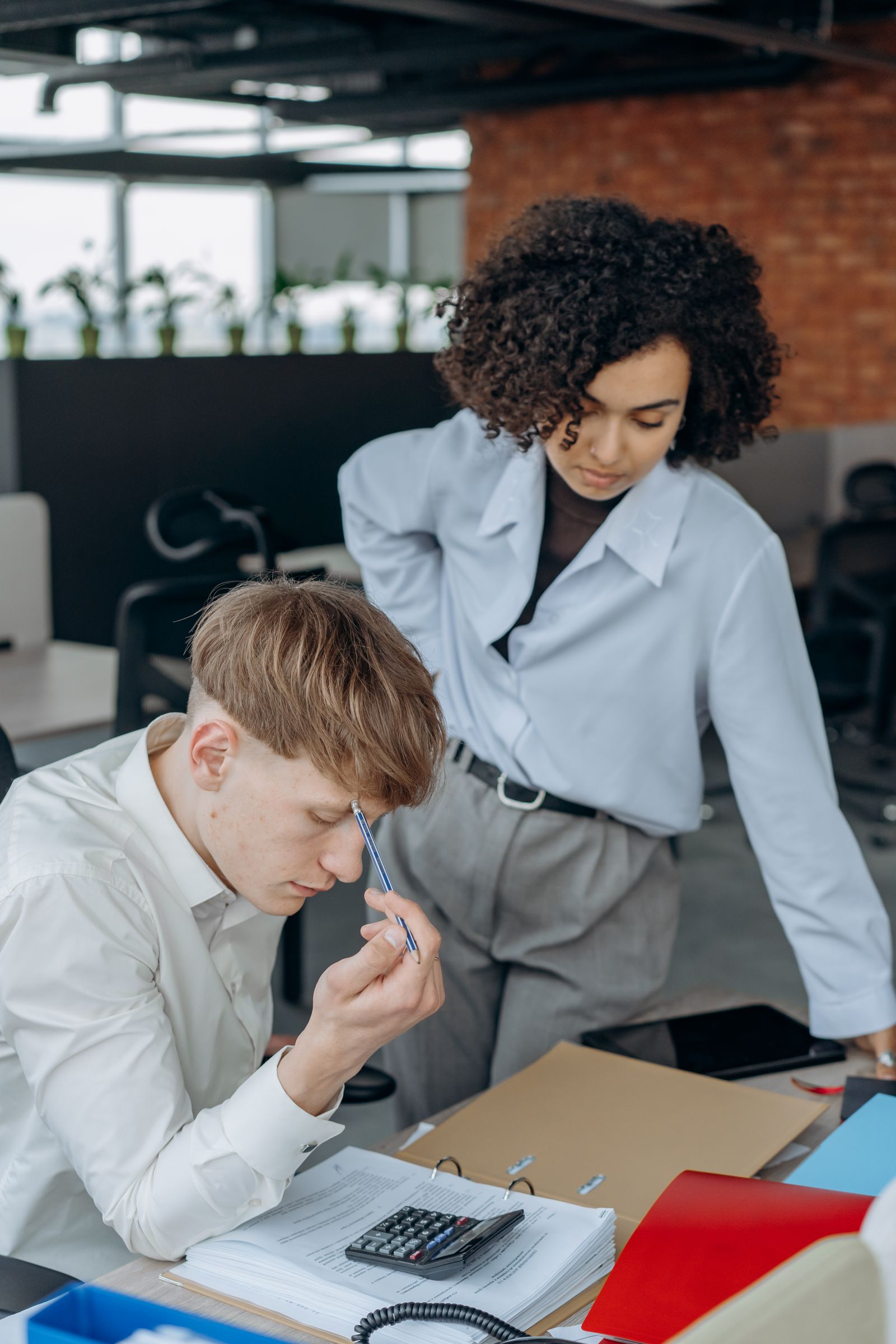
A password manager generates and stores unique, strong passwords for every account. You only need to remember one master password.
Best password managers in 2026:
| Manager | Price | Best Feature | Platforms |
|---|---|---|---|
| Bitwarden | Free / $10/year | Open source, free tier | All |
| 1Password | $36/year | Family sharing, travel mode | All |
| Proton Pass | Free / $48/year | Encrypted email integration | All |
| Apple Passwords | Free | Built into iOS/Mac | Apple only |
| Google Password Manager | Free | Built into Chrome/Android | Google only |
Setup steps:
- Choose a password manager (Bitwarden recommended for most people)
- Install the browser extension and mobile app
- Create a strong master password (4+ random words: "correct horse battery staple")
- Import existing saved passwords from your browser
- Start changing reused passwords (most important accounts first)
Priority order for password changes:
- Email accounts (the key to everything else)
- Banking and financial accounts
- Social media accounts
- Shopping accounts (Amazon, etc.)
- Everything else
2. Enable Two-Factor Authentication (2FA)
2FA adds a second layer of protection. Even if someone steals your password, they cannot access your account without the second factor.
Types of 2FA (ranked by security):
- Hardware security key (YubiKey) - most secure, physical device
- Passkeys - biometric, device-based, very secure
- Authenticator app - TOTP codes, very secure
- SMS codes - better than nothing, but vulnerable to SIM swapping
- Email codes - weakest, only slightly better than no 2FA
Best authenticator apps:
- Authy - multi-device sync, encrypted backup
- Google Authenticator - simple, no account needed
- Microsoft Authenticator - works with Microsoft accounts
- 2FAS - open source, privacy focused
Setup 2FA on critical accounts:
- Google/Gmail account
- Apple ID
- Microsoft account
- Banking apps
- Social media (Instagram, Twitter, Facebook)
- Amazon and shopping accounts
- Password manager itself
- Email provider
3. Set Up Passkeys (The Future of Login)
Passkeys are replacing passwords entirely. Instead of typing a password, you authenticate with your fingerprint, face, or device PIN.
How passkeys work:
- Website creates a unique cryptographic key pair
- Private key stays on your device (never shared)
- When you log in, your device proves identity with biometrics
- No password to steal, phish, or guess
Where to set up passkeys now:
- Google accounts
- Apple ID
- Microsoft accounts
- Amazon
- PayPal
- GitHub
- Best Buy, Target, eBay
- 1Password, Dashlane
How to set up a passkey (Google example):
- Go to myaccount.google.com → Security
- Click "Passkeys and security keys"
- Click "Create a passkey"
- Authenticate with your device (fingerprint/face/PIN)
- Done - next login uses passkey instead of password
Level 2: Strengthen Your Defenses
4. Secure Your Email

Your email is the master key to all other accounts (password resets go to email). Securing it is the single most important step.
Email security checklist:
- Use a strong, unique password (managed by password manager)
- Enable 2FA with authenticator app (not SMS)
- Set up a passkey if available
- Review connected apps and revoke unnecessary access
- Check for forwarding rules (hackers add these to spy on you)
- Enable login alerts for new devices
- Use email aliases for sign-ups (SimpleLogin, Apple Hide My Email)
5. Protect Against Phishing
Phishing is the #1 way accounts get hacked. AI-generated phishing emails are now extremely convincing.
How to spot phishing in 2026:
- Check the sender's email domain - not just the display name
- Hover over links before clicking - does the URL match?
- Look for urgency - "Your account will be suspended in 24 hours"
- Unexpected attachments - never open unexpected files
- Too good to be true - "You've won $10,000!"
- Asking for credentials - legitimate companies never ask for your password via email
Protection tips:
- Use email aliases for online shopping (SimpleLogin free)
- Never click links in urgent emails - go directly to the website
- Report phishing emails (Gmail: click dots → Report phishing)
- Use a browser with phishing protection (Chrome, Firefox, Brave)
6. Secure Your Devices
Phone security:
- Enable biometric lock (fingerprint or face)
- Set auto-lock to 30 seconds
- Enable Find My Device (iOS/Android)
- Keep OS and apps updated
- Only install apps from official stores
- Review app permissions (camera, microphone, location)
Computer security:
- Enable full disk encryption (BitLocker on Windows, FileVault on Mac)
- Use a lock screen with password/PIN
- Keep OS and software updated
- Use a reputable browser (Chrome, Firefox, Brave)
- Install an ad blocker (uBlock Origin) - blocks malicious ads
7. Network Security
Wi-Fi security:
- Change default router password
- Use WPA3 encryption (or WPA2 minimum)
- Hide your network name (SSID) if possible
- Create a guest network for visitors and IoT devices
- Keep router firmware updated
Public Wi-Fi safety:
- Use a VPN on public Wi-Fi (ProtonVPN free, or Mullvad $5/month)
- Never access banking on public Wi-Fi without VPN
- Prefer mobile data over public Wi-Fi for sensitive tasks
- Turn off auto-connect to open networks
Level 3: Advanced Protection
8. Monitor for Breaches
Tools to check if your data has been leaked:
- HaveIBeenPwned.com - free, check if your email was in a breach
- Firefox Monitor - alerts when your email appears in new breaches
- Password manager alerts - Bitwarden and 1Password notify you of breached passwords
- Google's Password Checkup - checks saved passwords against known breaches
What to do if you are in a breach:
- Change the password immediately
- Enable 2FA if not already active
- Check if you used that password elsewhere - change all instances
- Monitor financial accounts for unusual activity
- Consider a credit freeze if financial data was exposed
9. Privacy Settings
Social media privacy:
- Make accounts private unless you need public reach
- Disable location sharing on posts
- Review and remove old posts with personal information
- Use unique emails for each social platform
- Disable ad personalization in settings
Browser privacy:
- Use a privacy-focused browser (Brave, Firefox)
- Install uBlock Origin ad blocker
- Clear cookies regularly or use containers (Firefox Multi-Account Containers)
- Disable third-party cookies
- Use a privacy-focused search engine (DuckDuckGo, Brave Search)
10. Backup Strategy
The 3-2-1 backup rule:
- 3 copies of important data
- 2 different storage types (cloud + external drive)
- 1 copy offsite (cloud storage)
Recommended backup setup:
- iCloud/Google Drive for phone photos and documents
- External SSD for computer backup (monthly)
- Cloud backup service (Backblaze $7/month) for full computer backup
Security Checklist Summary
Do today (15 minutes):
- Install a password manager
- Enable 2FA on your email account
- Enable 2FA on your banking apps
Do this week (1 hour):
- Set up passkeys on Google, Apple, Microsoft
- Change your 5 most important passwords
- Review app permissions on your phone
- Enable device encryption
Do this month (ongoing):
- Change all remaining reused passwords
- Set up 2FA on all important accounts
- Check HaveIBeenPwned for breaches
- Set up automated backups
Common Security Mistakes
- Reusing passwords - one breach compromises everything
- Using SMS for 2FA - SIM swapping attacks bypass this
- Ignoring software updates - updates patch security holes
- Clicking email links without verifying - phishing is #1 attack vector
- Using public Wi-Fi without VPN - traffic can be intercepted
- Weak master password - use 4+ random words, not a short password
- Not backing up - ransomware can lock you out permanently
- Sharing too much on social media - security questions often use this info

Related ByteVerse guides
Next, read How to Start a Tech Blog 2026, Next.js 16 Deployment Guide 2026, Best AI Tools for Small Business 2026, and Website Speed Optimization 2026 to build a stronger workflow around this topic.
Frequently Asked Questions
What is a passkey and should I use it?
A passkey is a passwordless login that uses your device's biometrics (fingerprint, face scan) instead of a typed password. Yes, you should use passkeys wherever available - they cannot be phished, guessed, or stolen in data breaches.
What is the best free password manager?
Bitwarden is the best free password manager. It is open source, works on all platforms, and the free tier includes unlimited passwords, devices, and a password generator. Apple and Google built-in managers are also good if you stay within their ecosystems.
Is two-factor authentication really necessary?
Yes. 2FA blocks 99.9% of automated attacks according to Microsoft. Even if your password is stolen, attackers cannot access your account without the second factor. Use an authenticator app (Authy, Google Authenticator) over SMS codes.
How do I know if my password has been hacked?
Check HaveIBeenPwned.com with your email address. It searches billions of leaked records from data breaches. Your password manager may also alert you if saved passwords appear in known breaches.
What should I do if my account is hacked?
- Change the password immediately from a secure device. 2. Enable 2FA. 3. Check for unauthorized changes (forwarding rules, linked accounts, payment methods). 4. Log out all other sessions. 5. Monitor for suspicious activity on linked accounts.
Share this article
Written by
Ali RehmanAuthor at ByteVerse
A Full Stack Developer and Tech Writer specializing in React.js, Next.js, and modern JavaScript, sharing insights on web development, frontend technologies, backend APIs, and scalable applications.
View all posts