How to Start an Online Store with AI in 2026 (Step by Step)
A step-by-step method for launching an online store with AI: what to sell, verified platform costs (including the genuinely free routes), AI store setup, product photos and copy, launch marketing, support automation, and store SEO.

- 1AI collapses store setup into review jobs — Shopify builds the design from a prompt and Sidekick drafts copy, collections, and analytics — but product choice, pricing, and demand validation stay founder work.
- 2Verified costs (Sep 23, 2026): Shopify trial 3 days free then $1/month for 3 months (Basic $25/mo, $19 yearly); Printful print-on-demand $0/month pay-per-order with 562 products; Big Cartel has a free Gold plan.
- 3Seven steps cover the full path: choose the product, pick the platform, build with AI, produce listing content, launch marketing, automate support and operations, and make the store findable in search and AI chats.
"Start an online store" used to mean six decisions you were not qualified to make yet: platform, theme, copywriting, product photos, marketing calendar, support system. In 2026, AI turns most of those into review jobs — the platform generates a starting store design from a prompt for you to adjust, the product descriptions draft themselves, and the support chatbot answers the size-chart question at 2 a.m. What AI does not do is pick a product people want, price it honestly, or pack a box. This guide walks the whole path, step by step: what to sell, which platform fits your budget (including the genuinely free routes), and exactly where AI saves hours versus where it quietly makes things worse. If you want a content site or portfolio rather than a store, our guide to building a website with AI is the better starting point — this one is about selling.
Research note: every price and feature claim below was checked against official pricing pages — Shopify, Printful, and Big Cartel — on September 23, 2026. Plans and trials change; treat specific numbers as dated observations and confirm on the pricing page for your region before paying. Nothing here is a paid placement or affiliate pitch.
Step 1: Decide What to Sell (AI Helps Less Than You Think)
Every failed store shares the same autopsy: the product, not the platform. So before touching a store builder, answer three questions — what are you selling, who buys it, and why from you instead of Amazon?
AI is genuinely useful here as a research assistant, not an oracle. A long session with ChatGPT can map a niche fast: ask it to list the top complaints in existing product reviews for your category, generate twenty positioning angles, or stress-test your idea with "argue why this store fails in six months." The structured-prompt techniques in our prompt engineering guide matter more here than anywhere else — vague questions produce generic market fantasies, while specific prompts against real review text produce usable insight.
What AI cannot tell you is whether real people will pay. The model has no access to your actual demand. The honest validation loop is still human: talk to ten potential buyers, or list five items on a marketplace before building anything. Treat every AI market estimate as a hypothesis, never a fact.
The three beginner-viable models in 2026, ranked by upfront cost:
- Print-on-demand — designs on shirts, mugs, posters; produced per order; zero inventory.
- Digital products — templates, presets, guides; zero marginal cost, instant delivery.
- Small physical inventory — handmade or curated goods you actually hold; highest risk, highest control.
Step 2: Pick the Platform (Verified Costs, Including the Free Ones)
Platform choice is where beginners burn their first week. For a full-featured store, Shopify is the established option this guide uses; for a zero-budget start, two routes below cost nothing. Verified September 23, 2026:
| Route | Verified cost | What you get | Watch out for |
|---|---|---|---|
| Shopify Basic | 3 days free, then $1/month for 3 months; then $25/mo ($19/mo yearly) | Full store: AI builder, Sidekick assistant, unlimited products, hosting, SSL, email campaigns, abandoned-cart recovery | Third-party payment providers add 2% on Basic; app costs stack up fast |
| Printful (print-on-demand) | $0/month — you pay per item only after a customer orders | 562 custom products, free design and mockup tools, connects to 20+ platforms, no unsold inventory ever | Your profit is retail minus Printful's per-item cost — price with shipping and taxes in mind |
| Big Cartel Gold | Free plan (limited features) | Simple storefront for makers with a small catalog | Limited feature set by design; built for small maker catalogs, not scale |
The $1-for-three-months Shopify window is the practical middle path: about $3 total (before taxes) to run a real store long enough to learn whether your product sells. That is cheaper than most mistakes.
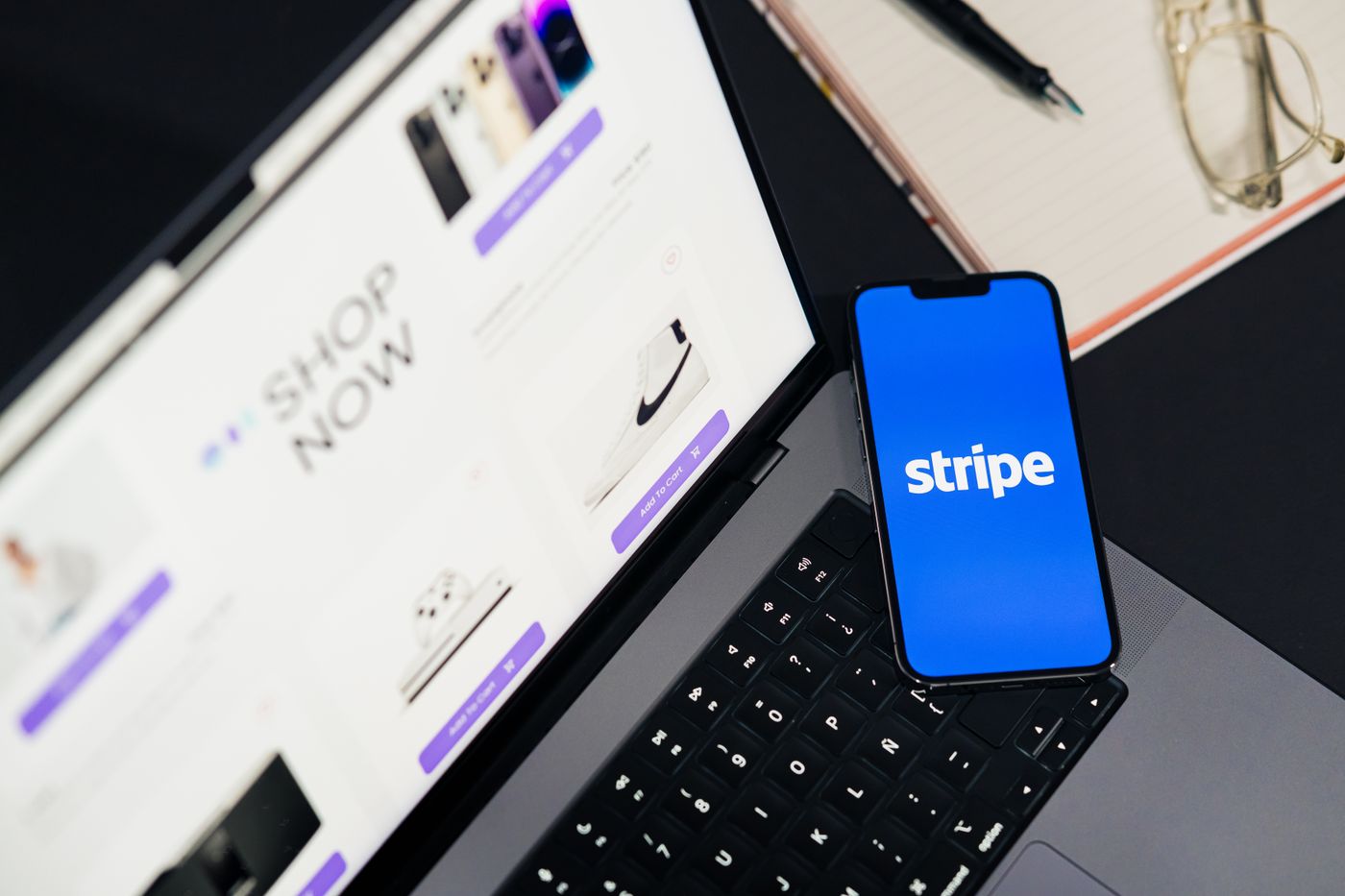
If you are comparing more visual site builders first, our AI website builders roundup covers that category — but note most excel at sites, not carts, payments, and tax handling. For commerce, use a commerce platform.
Step 3: Build the Store with AI (an Afternoon, Honestly)
Shopify's AI store setup is the part that has genuinely changed. The builder generates a store design from a plain-language prompt — describe what you sell and the mood you want, then adjust the result instead of designing from a blank theme. Sidekick, the built-in assistant included on every plan (with what Shopify describes as "millions of tokens" of usage), then acts like a launch teammate: it helps pick and customize the theme, sets up your domain, writes first-draft product copy, and organizes products into collections when you ask in plain English.
A working setup sequence for day one:
- Prompt the design. One sentence about your product and audience. Regenerate until the bones are right; fix details manually.
- Set up payments and legal pages. Sidekick can draft policy pages; you verify them. Payments need your real details — no shortcuts.
- Add three products, not thirty. Starting with a few polished listings lets you learn the full listing workflow — photos, copy, pricing, SEO fields — before scaling it across a catalog.
- Buy the domain last. Lock the name only after the store feels real; Sidekick handles the connection steps when you ask.
One warning from the "too easy" department: AI-generated stores all share a certain default look. Spend real time changing the typography, accent color, and hero image — the point of the AI draft is to skip the empty page, not to ship the template.
Step 4: Product Content — Where AI Earns Its Keep
Product pages are where AI assistance compounds, because every listing needs the same four assets: photos, description, pricing logic, and SEO fields.
Photos. Shoot real products with your phone — then let AI do the studio work. Background removal, lighting cleanup, and upscaling are one-tap operations now; the full workflow is in our AI photo editing guide, and the photo editor comparison covers which free tools handle product shots best. Shopify's Sidekick also edits product photos to "studio shot" quality in place.

An honesty line that protects you: AI cleanup of a real photo is standard practice; AI generation of product images that misrepresent the physical item invites returns and platform trouble. The AI image generators are fine for banners, lifestyle backgrounds, and ads — not for pretending a product looks like something it does not.
Descriptions. "Write me product descriptions for SEO" sits on Shopify's own list of popular Sidekick prompts — treat the output as a first draft and verify it against the real product. The upgrade is feeding it specifics: materials, dimensions, who it is for, what problem it solves. Generic in, generic out. Write one description yourself as the voice sample, then have AI match it across the catalog.
Pricing. Ask Sidekick to analyze pricing against your costs, but do the margin math yourself: platform fee + payment processing + product cost + shipping + returns reserve. For print-on-demand, remember your profit is retail minus the per-item base cost — thin by design, so price accordingly.
Step 5: Launch Marketing Without a Marketing Team
A store nobody visits is a hobby with hosting. The launch stack that works for solo founders, in order of effort-to-payoff:
Social content. Batch-produce a month of posts in an afternoon: product angles, behind-the-scenes, founder story. The AI social media tools handle scheduling and caption drafts; your job is the product photos and the opinions, because audiences smell fully synthetic feeds.
Email from day one. Collect addresses before you have traffic to waste. Shopify includes email campaigns and marketing automations on every plan — set up abandoned-cart recovery early (it targets shoppers who were one step from paying) and a welcome sequence second. If you plan to build an audience beyond the store, our newsletter guide covers the long game.
Paid ads, later. Ads amplify what already converts; they cannot fix a store that does not. Wait until organic traffic proves the page sells, then use the AI marketing tools to draft and test ad variants cheaply. If you would rather earn commissions than run inventory at all, affiliate marketing is the adjacent model worth comparing.

Step 6: Support and Operations — the Quiet AI Wins
The unglamorous half of ecommerce is where AI actually buys your evenings back.
Customer support. A trained chatbot can field the common pre-sale questions — sizing, shipping, returns — our AI customer service chatbot comparison covers the options by budget. Keep a human path for anything involving money: refunds and complaints escalate badly when a bot loops.
Order operations. Shopify documents Sidekick prompts for analytics queries, building collections, and low-stock alerts, and its changelog shows the assistant gaining operational skills steadily (customer and company records in February 2026, payments and web-performance queries in January). Beyond the platform, the decision framework in our automation roadmap applies directly: automate the repeated, low-judgment tasks first — order-confirmation flows, review requests, restock notifications — and keep judgment calls human.

Step 7: Get Found — Store SEO Is Product SEO
Store SEO is mostly the same discipline as content SEO with different pages. Three passes cover the beginner essentials:
- Technical basics. Follow our free SEO audit walkthrough once the store is live: titles, descriptions, indexability. If the store is not appearing in results at all after a couple of weeks, the diagnostic list in why your website is not showing on Google resolves the usual suspects.
- Speed. Product photos are the classic store-speed killer. Compress before upload — the steps in our site speed checklist apply unchanged to store themes.
- Listing intent. Write product titles the way buyers search ("linen tote bag with zipper," not "The Wanderer"). Poetic names go in the description; searchable names go in the title and H1.
One 2026-specific note: Shopify plans now include selling "in AI chats" — storefronts surfaced inside AI assistants. It costs nothing to have enabled, and clean product data (real titles, accurate attributes) is exactly what makes listings usable there. The SEO work above doubles as AI-visibility work.
What AI Still Cannot Do for Your Store
The failure pattern for AI-built stores in 2026 is not broken software — it is unattended judgment. AI will not notice your supplier's quality slipped, will not feel that a price is 15% too high for your audience, and will not answer the angry email with the tone that saves the customer. It also cannot manufacture demand: the market for the product exists or it does not, and no amount of generated copy changes that.
Budget your own time accordingly: product selection, supplier relationships, pricing decisions, and the first hundred customer conversations are founder work. Everything repetitive around them — copy drafts, photo cleanup, support triage, restock alerts — is the AI layer. Stores fail at the first list, not the second. For the full tool-by-tool breakdown of that second list, our ecommerce AI tools roundup ranks the options per category.
Frequently Asked Questions
Can I start an online store with AI for free?
Genuinely free routes exist with real trade-offs. Printful's $0 plan runs print-on-demand with no monthly fee — you pay per item only after a customer orders, so there is no inventory risk. Big Cartel's free Gold plan hosts a small maker store. Shopify is not free, but its verified trial (3 days free, then $1/month for 3 months) means roughly $4 buys you a full quarter of a real store.
Can AI build my entire store for me?
It can build the shell in an afternoon: Shopify's builder generates the design from a prompt, and Sidekick drafts copy, sets up collections, and helps with the domain. What it cannot do is choose a product people want, validate demand, set honest prices, or handle a supplier — the parts that decide whether the store makes money.
How do I start an online store without inventory?
Print-on-demand and digital products. With Printful, products are made to order — 562 custom catalog items, no stock to hold, no upfront cost, no unsold inventory. Digital products (templates, presets, guides) skip fulfillment entirely. Both models trade margin for zero inventory risk; the profit is your retail price minus the base cost.
Is the Shopify AI store builder free?
The AI builder and Sidekick assistant are included in every Shopify plan rather than sold separately — so they cost whatever your plan costs (Basic was $25/month, or $19/month billed yearly, when we checked September 23, 2026, after the $1/month promotional quarter). There is no standalone free tier of Shopify itself.
How do I start dropshipping with AI?
The workflow matches this guide with one substitution: a dropshipping supplier app fills the fulfillment role instead of your own inventory. AI helps with the same layers — store setup, product copy, ad drafts, support. Be honest about the economics: dropshipping margins are thin, shipping times test customer patience, and AI does not fix either. Print-on-demand is the gentler version of the same idea.
Which AI tools do I actually need at launch?
Fewer than the listicles suggest. Day one: the platform's built-in AI (store design + copy), one photo cleanup tool, and one social scheduling tool. Add a support chatbot when messages exceed a few per day, and marketing automation when repeat tasks appear. Our ecommerce AI stack guide maps tools to store size honestly.
Bottom Line
Starting an online store with AI in 2026 splits into two very different phases. The setup phase — prompt the store design, load three polished products with AI-cleaned photos and AI-drafted copy, wire up payments, publish — is now dramatically shorter than the blank-page version. The long phase never shortens: finding what people actually buy, adjusting prices, answering humans, and feeding the marketing machine one honest post at a time. Use the $1 Shopify quarter or Printful's $0 plan to make the experiment cheap, and spend the money you saved on the only thing AI cannot generate: learning what your customers want.
Sources and Image Credits
Prices and features were verified on September 23, 2026 against Shopify's pricing page and Sidekick page, Printful's pricing page, and Big Cartel's pricing page. All change without notice — confirm current terms before purchasing.
Illustrative photographs from Pexels: product photography, checkout and payments, order operations, shoppers browsing, and the cover small-business packing. They are illustrative, not endorsements.
Share this article
Written by
Ali RehmanAuthor at ByteVerse
A Full Stack Developer and Tech Writer specializing in React.js, Next.js, and modern JavaScript, sharing insights on web development, frontend technologies, backend APIs, and scalable applications.
View all posts

